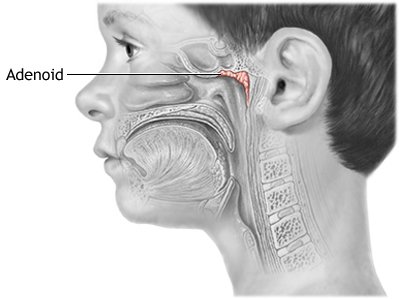
Adenoidectomy is surgery to remove the adenoids. The adenoids are small lumps of lymphoid tissue located behind the nose and above the throat. Adenoids fight infections in early childhood, but they can get enlarged or infected chronically, leading to a variety of health problems.
“Taking out bad adenoids can really help your breathing and can help with recurrent infections, too.”
Brings back normal breathing through the nose.
Helps with snoring and sleep-related breathing disorders.
Helps reduce recurrent middle ear infections and fluid build-ups.
Decreases recurrence of chronic sinus infections.
May improve hearing in people with fluid collecting behind the eardrum.
Many children sleep better, pay attention better, and function better day-to-day after surgery.
1. Preoperative Evaluation
Your ENT specialist performs a detailed examination and may recommend nasal endoscopy or imaging studies.
2. Anesthesia
The procedure is typically performed under general anesthesia to ensure comfort and safety.
3. Adenoid Removal
The enlarged adenoid tissue is removed through the mouth, with no external incisions.
4. Bleeding Control
Specialized techniques are used to minimize bleeding and promote safe healing.
5. Recovery Monitoring
Patients are observed for a short period before being discharged.
Procedure Duration: Approximately 20–45 minutes.
Following your surgeon’s post-operative instructions can help ensure a smoother recovery.
Long-lasting nasal obstruction
Breathing through the mouth
Heavy snoring
Recurrent ear infections
Sleepless Night
Recurrent sinus infections
Nasal breathing clearly
Better quality sleep
Less snoring
Less ear and sinus infections
Improved energy and concentration levels
Improved health overall
Helping you make informed decisions about your ENT care.